
Craig Wylie
-
 Craig WylieSelf Portrait (Hydra), 2019oil on canvas190.5 x 148 cm
 -
Craig WylieNurse, 2016Oil on canvas170 x 133 cm
-
Craig WylieThinking of the Northern Renaissance Still Life in Black and White with Coffee Pot and Stripe, 2014Oil on canvas35 x 40 cm
-
Craig WylieBroken UmbrellaOil on canvas55 x 82 cm
-
Craig WylieMountebankOil on canvas34.5 x 34.5 cm
-
Craig WyliePomegranate (The Old Man)Oil on canvas34.4 x 34.8 cm
-
Craig WylieSentinelOil on linen40.8 x 40.4 cm
-
Craig WylieShieldOil on linen56.3 x 46.2 cm
-
Craig WylieEW (Hood)Oil on linen canvas183 x 134.5
-
Craig WylieStudy after LC(fulcrum)Graphite on paper17.4 x 11.7 cm
-
Craig WylieMG (echoing)Oil on canvas35.5 x 27.5"
90.3 x 70 cm -
Craig WylieL(phase)Oil on canvas75 x 50"
190 x 127 cm -
Craig WylieGA (clearing)Oil on canvas59 x 58"
150.5 x 137 cm -
Craig WylieLC(mountain), 2010Oil on canvas98.4 x 63.5"
250 x 161.5 cm -
Craig WylieAB(event), 2010Oil on canvas60 x 98.4"
168 x 250 cm -
Craig WylieAb(prayer), 2011-2013Oil on canvas78.7 x 118"
200 x 300 cm -
Craig WylieNaked Man, red chairOil on canvas51 x 35.4"
130 x 90 cm -
Craig WylieStudy after AB(event)Pencil on paper12.2 x 18.4 cm
-
Craig WylieStudy for LC(3000 years)Pencil on paper12.4 x 10.9 cm
-
Craig WylieMD(ripple)Oil on linen37 x 49 cm
-
Craig WylieEW(cave)Oil on linen210 x 134.5 cm
-
Craig WylieStudy after LC(mountain)Graphite on paper17.6 x 11.7 cm
-
Craig WylieAB(shatter)oil on canvas250 x 182 cm
-
Craig WylieL(saturated)oil on canvas230 x 180 cm
-
Craig WylieMask (self portrait)oil on linen165 x 165 cm
-
Craig WylieJunctureoil on canvas240 x 220 cm
-
Craig WylieDW(reflection)oil on linen230 x 190 cm
-
Craig Wylie'K'oil on canvas210 x 167 cm
-
Craig WylieLC(fulcrum)oil on canvas234.5 x 230 cm
-
Craig WylieL(slit)oil on canvas146.5 x 96.5 cm
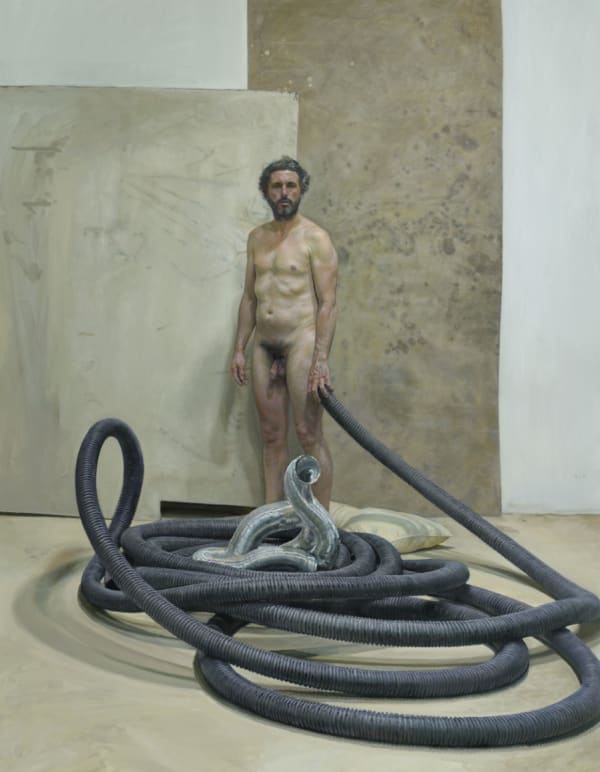
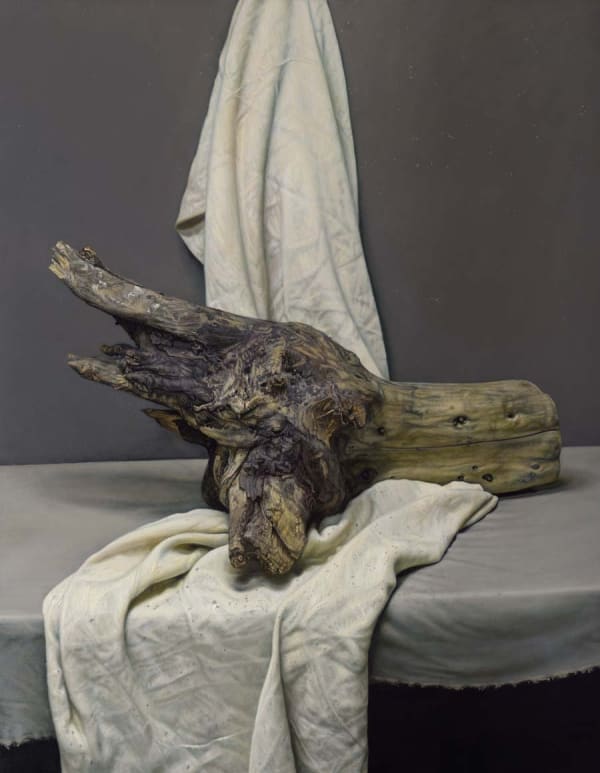
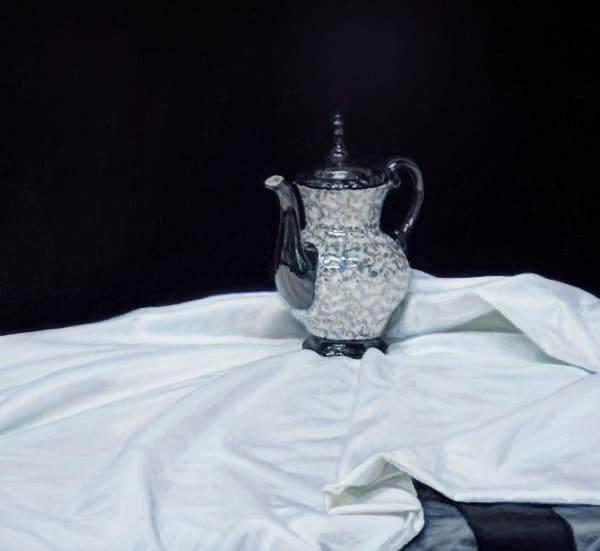
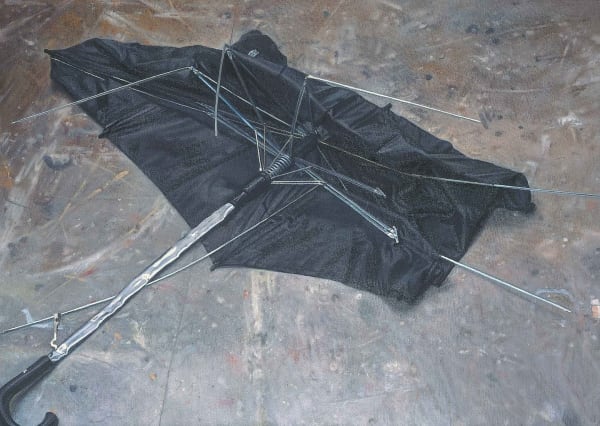


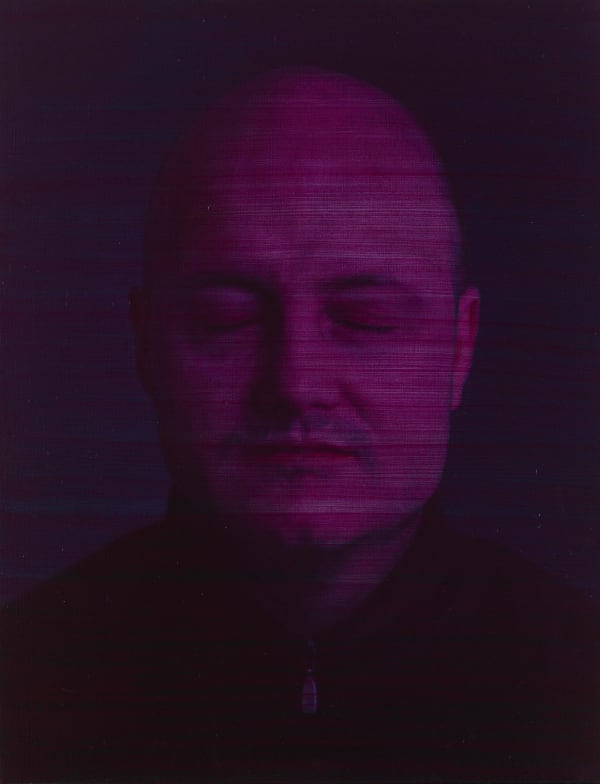


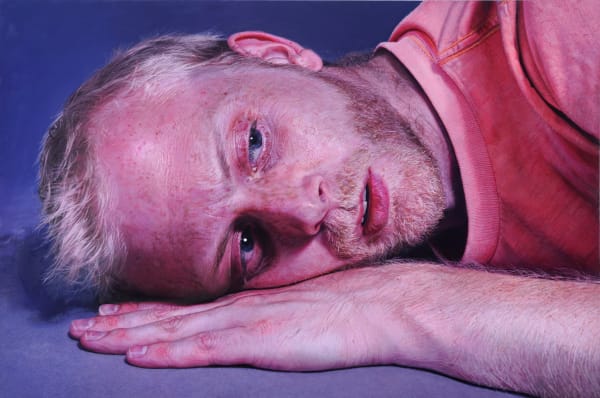


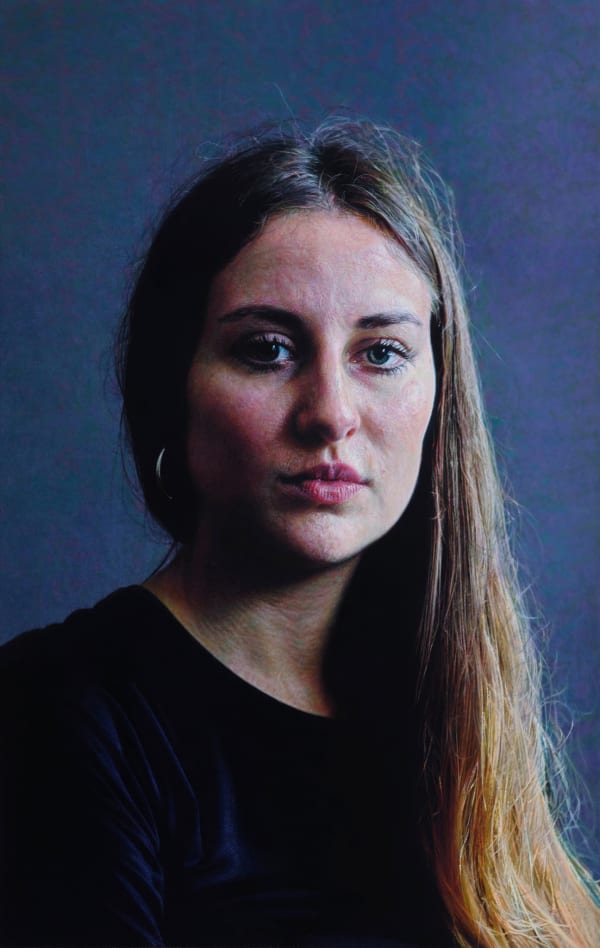


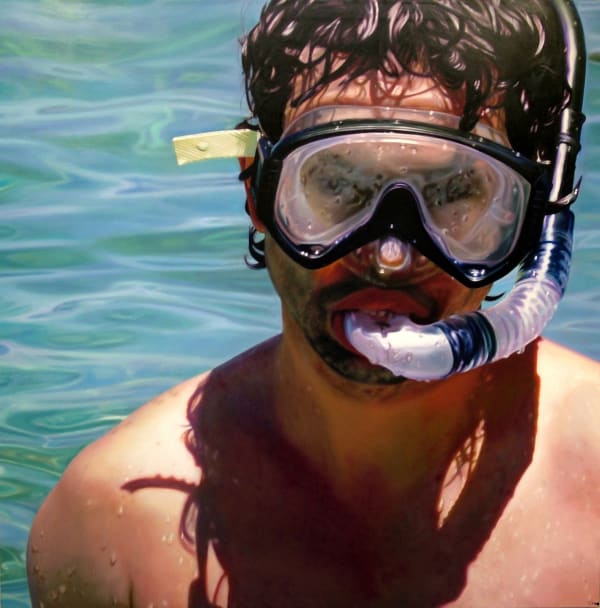


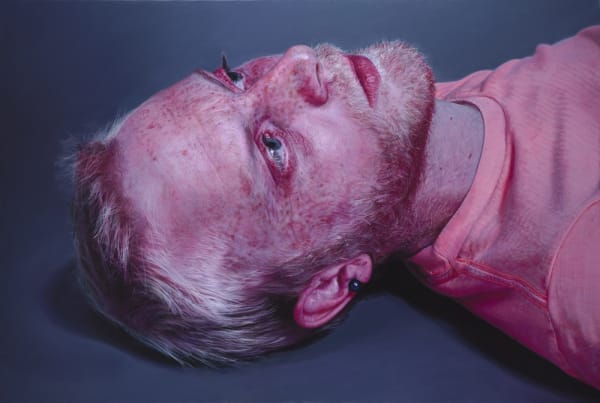
The terms "Photorealism" and "Hyperrealism" tend to be used interchangeably for certain kinds of realist painting - perhaps, obviously, of the most realistic kinds of painting. There may well be no practical differences in the ways the two kinds of painting are originated and elaborated. But there are surely some differences in the effect the two kinds have on the spectator. If anyone can make clear what these differences might be, it is Craig Wylie.
A true Photorealist painter glories in the photographic connection. He (or sometimes she) not only uses photographs as source material, but may even make it explicit that he is painting a photograph rather than the reality within the photograph. At the very least, the distortions inevitable to a photograph are lovingly reproduced, in full consciousness that the human eye unaided does not, cannot, perceive things that way.
Wylie is not that kind of painter. He is undoubtedly a realist: his outlines are usually hard, his forms clearly defined. He has deep concern for colour and texture, not merely because they are there, but for what they contribute to the overall composition, the patterns of tension and relaxation within the painting. Wylie's art is meticulously thought out, in its way very intellectual. It is all from reality, but reality carefully selected and rearranged in the light of the painter's very specific intentions.
In other words, Wylie is essentially a classical sort of painter: so much so that from his work we might be uncertain whether he had ever set eyes on a camera. It is notable that in discussions of his BP Portrait Prize winner K (2008), Craig talks in terms of a number of sittings - the sitter being his longtime girlfriend - rather than revealing the exact camera used and the exposures required. No doubt he does use photographs, if only as a sort of sketchbook, but the precise reproduction of one photograph in paint has never been part of his plan. All this might almost suggest too much calculation on the part of the painter, especially when he goes on to theorise about the effect of the very large scale he has chosen, but the painting itself rebuffs any such notion, coming over as quite fresh and spontaneous. And it certainly makes it clear that Wylie's painting is not the work of an adept copyist, mechanically reproducing a single photograph, but of an artist who thinks deeply and effectively about his art.
Excerpt from “Exactitude, Hyperrealist Art Today”, by John Russell Taylor (Plus One Publishing)
For purchase enquiries and costs, or to arrange a viewing, please contact our team at info@plusonegallery.com or phone the gallery directly on 020 7730 7656.
-
Christmas Group Show
8 Dec 2025 - 12 Jan 2026Read more -
Summer Show 2025
22 Jul - 10 Sep 2025We are delighted to hold another Summer Show in the gallery featuring exquisite new works by our artists! There will also be a virtual reality version of this exhibition available....Read more -
Christmas Group Show
10 Dec 2024 - 14 Jan 2025A. Averbach, J. Banegas, T. Betts, J. Bodin, P. Cadden, P. Campos, A. Castellanos, F. Chartier, S. Kaluza, C. Klein, V. Klevenskiy, A. Klimas, L. Kloosterboer, I. Levashov, C. Marsh, T. Martin, V. Muller, G. Semple, A. Sheversky, A. Smart, P. Smolko, F. Stile, A. Tough, J. Wessmark, D. Wojtkiewicz & C. WylieRead more -
Summer Group Show 2021
21 Jun - 31 Aug 2021We are delighted to announce our most recent exhibition Summer Show, 2021 featuring a fantastic wide range of new paintings by our artists! There is also a virtual reality version...Read more -
50 Years of Realism - Photorealism to Virtual Reality
Rio de Janeiro (21 May - 29 July), Brazil 7 Nov 2018 - 29 Jul 2019The aim of ’50 Years of Realism – From Photorealism to Virtual Reality’ is to present to the Brazilian audience a rich exhibition of a few well-established contemporary hyperrealist artists...Read more -
Hyperrealism
Museu del Tabac, Andorra 21 Jun - 30 Sep 2018Hyperrealism is an art form that is of significant importance in our contemporary society today and one that continues to develop as technology advances.Read more
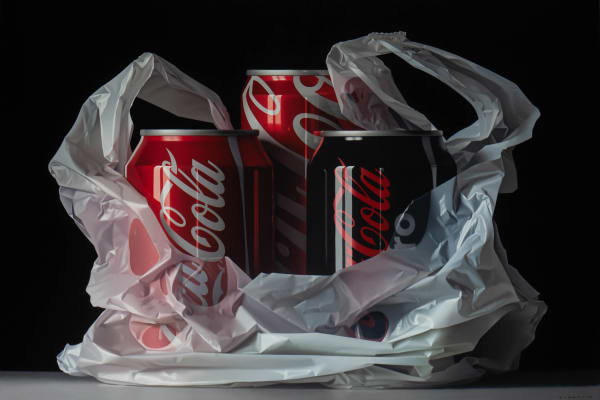
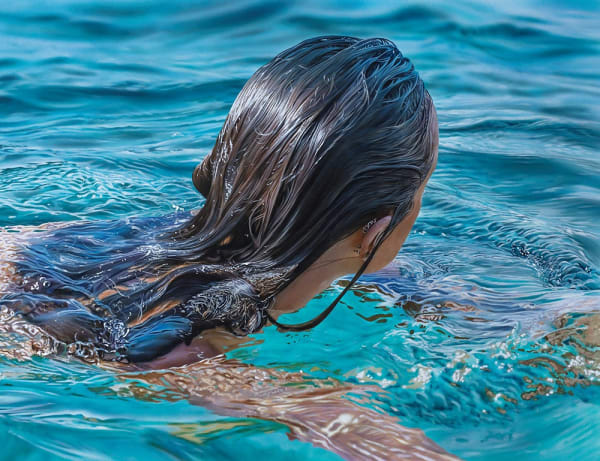
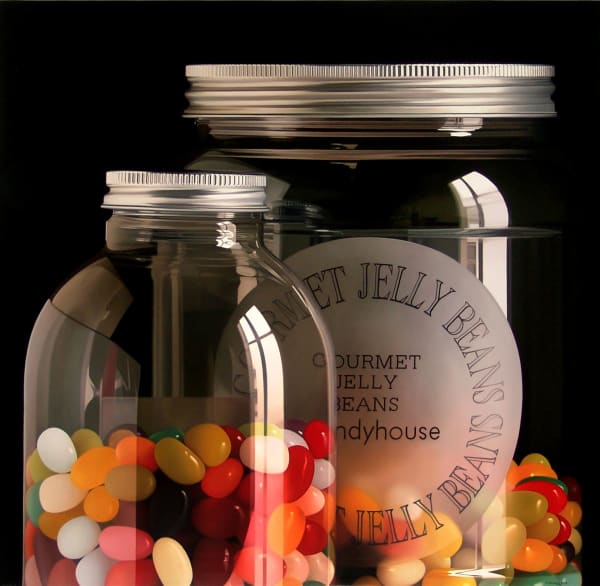
Surrounded by images, signage, advertisements and mass-media in general, it has been said that the world in which we live, shapes and transforms our experience to the point that “reality” is recognised only when it is re-produced. The fine line between reality and our media- saturated culture is increasingly blurred.
-
Winter Show
24 Jan - 25 Feb 2017Plus One Gallery is pleased to present the annual group exhibition, ‘Winter Show’, expect to see new works from many Gallery artists as well as several new artists works featuring...Read more -
Official Opening
Plus One Gallery: Battersea Reach 20 Sep - 15 Oct 2016To celebrate our relocation to Battersea Reach, Plus One gallery will have an official opening event on Tuesday 20th September. There will be many new works by gallery artists unveiled...Read more -
SUMMER SHOW, 2016
Battersea Reach 20 Jul - 3 Sep 2016Plus One Gallery is delighted to announce that the forthcoming Summer Show, 2016 will take place at our new gallery in Battersea Reach. Look forward to viewing an array of...Read more -
20|21 International Art Fair 2015
Royal College of Art Kensington Gore, London SW7 2EU 14 - 17 May 2015Stand 39 Now in its ninth year, this 'boutique’ fair showcases modern and contemporary art from around the world. There are also a number of dealers who specialise in work...Read more -
Winter Show 2014
A brilliant hyperrealist group display showcasing the direction of our different artists in 2014 12 Feb - 8 Mar 2014Don’t miss the celebration of Hyperrealism at Plus One Gallery brought by our annual Winter Show! As the first show of the year, it represents the latest artworks from hyperrealist...Read more -
The Naked Truth
Toby Boothman | Juan Cossio | Hubert de Lartigue | Tom Martin | Francisco Rangel | Craig Wylie This exciting show will combine the classical with the surreal… 5 Jun 2013 - 1 Jul 2014Achieving a flawless depiction of the human figure has long been the battle throughout the world of art. Not only must the artist be successful in their rendition of human...Read more -
Craig Wylie: 5 Portraits
This exhibition follows Craig Wylie's mastery of the genre of portraiture, and his on-going explorations in pushing its boundaries to the limit. 17 Apr - 13 May 2013The work on show at Plus One Gallery juxtaposes his signature massive painted portraits, with small pencil drawings which mirror in miniature the painted images. Through the inherent difference of...Read more -
Winter Show
Discover the beauty and reason of hyperrealism in this group show presenting reality anew. 13 Feb - 16 Mar 2013Mark your calendar for Plus One Gallery’s February exhibition showcasing the tradition and purpose of Art at Plus One Gallery. As a leading European gallery specialising in hyperrealism, the first...Read more -
Craig Wylie
Suns Silence Stopped 2 - 27 Mar 2010Craig Wylie is presenting a series of head paintings based upon people he knows. Through a process of rigorous painterly investigation of his own formal studio photographs, his paintings become...Read more -
EXACTITUDE V
EXACTITUDE, HYPERREALIST ART TODAY 21 Apr - 16 May 2009'Exactitude, Hyperrealist Art Today', published by Plus One Publishing and Thames and Hudson, is an imaginative and original book which presents a selection of contemporary artists, most of whom are...Read more




-
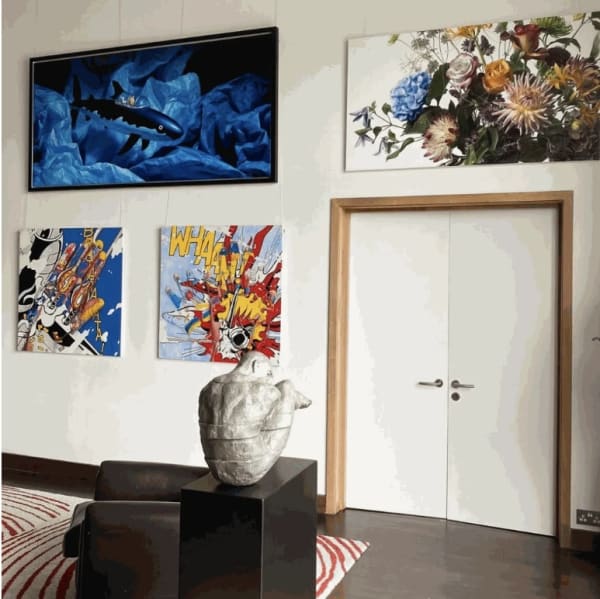
HAPPY ANNIVERSARY PLUS ONE GALLERY
September 2001 - September 2021 September 20, 2021This week Plus One Gallery is 20 years old! It is 20 years since we first opened our doors in Seymour Place on the 17th...Read more -
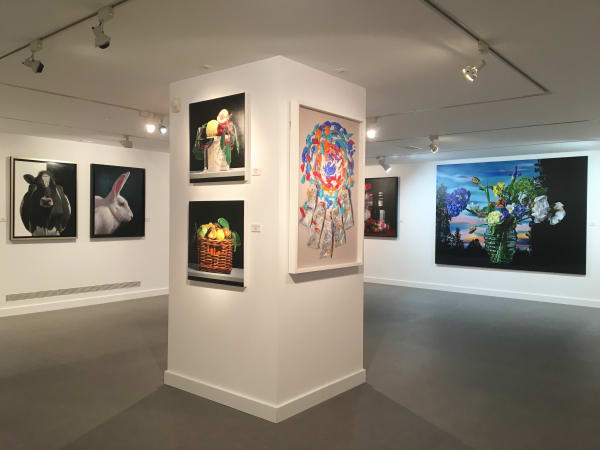
Hiperrealisme | 21 Jun - 30 Sept | Museu del Tabac, Andorra
July 3, 2018Read more -
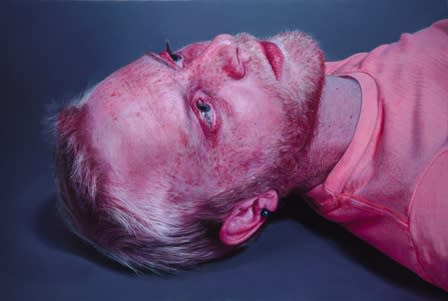
Artist in Focus: Craig Wylie
May 20, 2016Craig Wylie has developed a multi-faceted but singular approach to hyperrealism that seizes the appearance of his subjects with tremendous fluency and ease.Read more -
Is There a Place for Artistic Interpretation in Hyperrealistic Art?
January 12, 2016Hyperrealism is a genre of art in which pieces appear to resemble high-resolution photographs. The independent art movement was born across the United States and...Read more